EXPAT GUIDE
Buying a Home in Ecuador
Buying a home in Ecuador may be easier than you expect. Foreign buyers generally enjoy the same property ownership rights as Ecuadorian citizens and you do not normally need to be an Ecuadorian resident to purchase a home.
The process, however, is different from what you may be accustomed to in Canada or the United States. Understanding a few basics before you start makes buying here considerably easier.
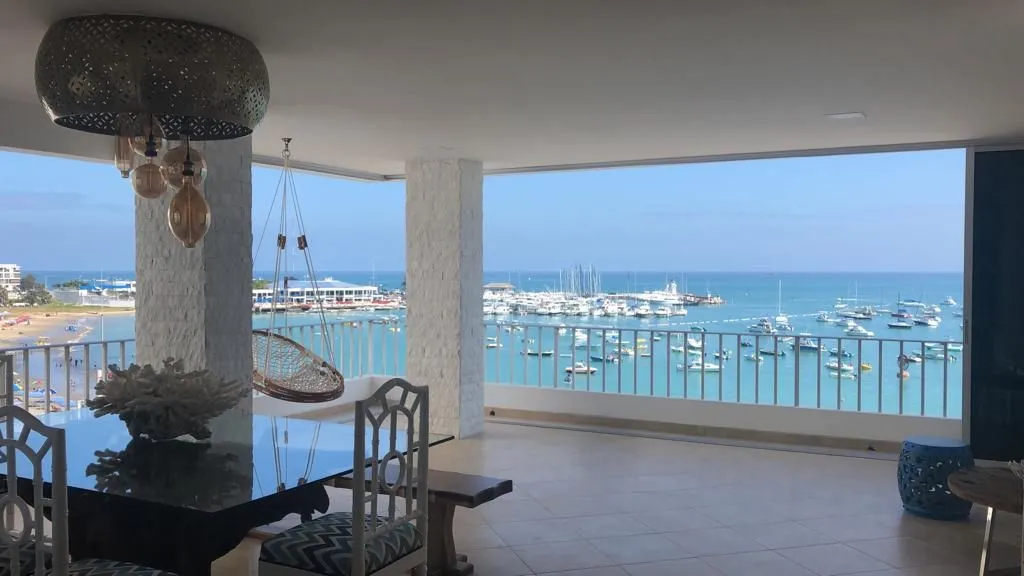
Property #554460
You can own your property
Foreigners can own real estate in Ecuador in their own name. Your ownership is recorded through a public deed and registration with the local Registro de la Propiedad. There are restrictions involving protected lands and certain national security or border areas so unusual locations should always be checked by an Ecuadorian attorney before proceeding.
The buying process
Once you find the right property, the process normally involves: An offer or purchase agreement verification of title and outstanding obligations preparation and notarization of the deed Payment of applicable transfer charges Registration of the new deed with the property registry
A current Certificado de Gravámenes is particularly important because it identifies registered liens or encumbrances against the property.
Our advice: always use an independent Ecuadorian attorney to represent your interests.
Closing costs
Closing costs in Ecuador are generally modest compared with many North American markets but they vary by municipality and by the value and circumstances of the transaction.
Buyers should budget for: notary fees, property registry fees, municipal transfer taxes, certificates and administration costs, and independent legal fees.
IEI will help you understand the estimated costs associated with your specific property before you commit to the purchase.
Property taxes
One of the pleasant surprises for many expats is that annual municipal property taxes are generally much lower than they are accustomed to paying in Canada or the United States.
Property tax is assessed and collected by the local municipality so the amount varies according to the municipality and the property's assessed value.
Ecuador also provides municipal property tax benefits for qualifying adults age 65 and over, subject to applicable requirements.
Utilities and monthly costs
Electricity, water, and internet services can generally be transferred or registered to the new owner following the purchase.
For condominiums and gated communities it is also important to understand:
HOA fees (what those fees include), reserve funds, special assessments, building insurance, security, pool and amenity maintenance.
Before purchasing we help you understand the real monthly cost of owning your property, not simply the purchase price.
Security
THINGS TO CONSIDER
BEFORE YOU BUY
VERIFY THE TITLE
Make sure ownership, liens, and encumbrances have been independently checked
Understand the
total cost
Purchase price is only part of the equation. Know your closing costs, taxes, HOA fees, and utilities.
Check the property itself
Understand construction, condition, boundaries, permits, and any planned development around you.
Know your community
Visit at different times of the day. Understand transportation, medical care, shopping, internet reliability, and security.
Use independent legal representation
Your attorney represents you and verifies the transaction before money changes hands.
The IEI Difference
Buying the property is only the beginning
For many of our clients, Ecuador is a new country, a new language, and a very different way of doing things.
We help make the transition easier, from finding the right property and navigating the purchase process to helping you understand utilities, property management, maintenance, and the practical realities of owning a home here.
You don't have to figure Ecuador out on your own.
LOCAL KNOWLEDGE
We know the coast.
International experience
We understand your needs.
Personal service
We're with you every step of the way.
Local Knowledge
International Experience
Trusted Services
Personalized Support
We're Here for You
Wherever the life.
We'll Deliver.
Your trusted partner for real estate, relocation, and a better way of life on Ecuador's coast.
CONTACT US
+098-621-2688 (Ecuador)
+1 (312) 912-9175 (U.S.)
Message Us (WhatsApp)
Salinas, Ecuador
QUICK LINKS
FOLLOW US


Copyright 2026. Island Estates International. All Rights Reserved.